
Delta’s quiet no to the A321XLR
United, American and Air Canada are building their transatlantic growth around the Airbus A321XLR. Delta is the only major US network carrier refusing it, and the choice reveals two opposite theories of what premium is for.
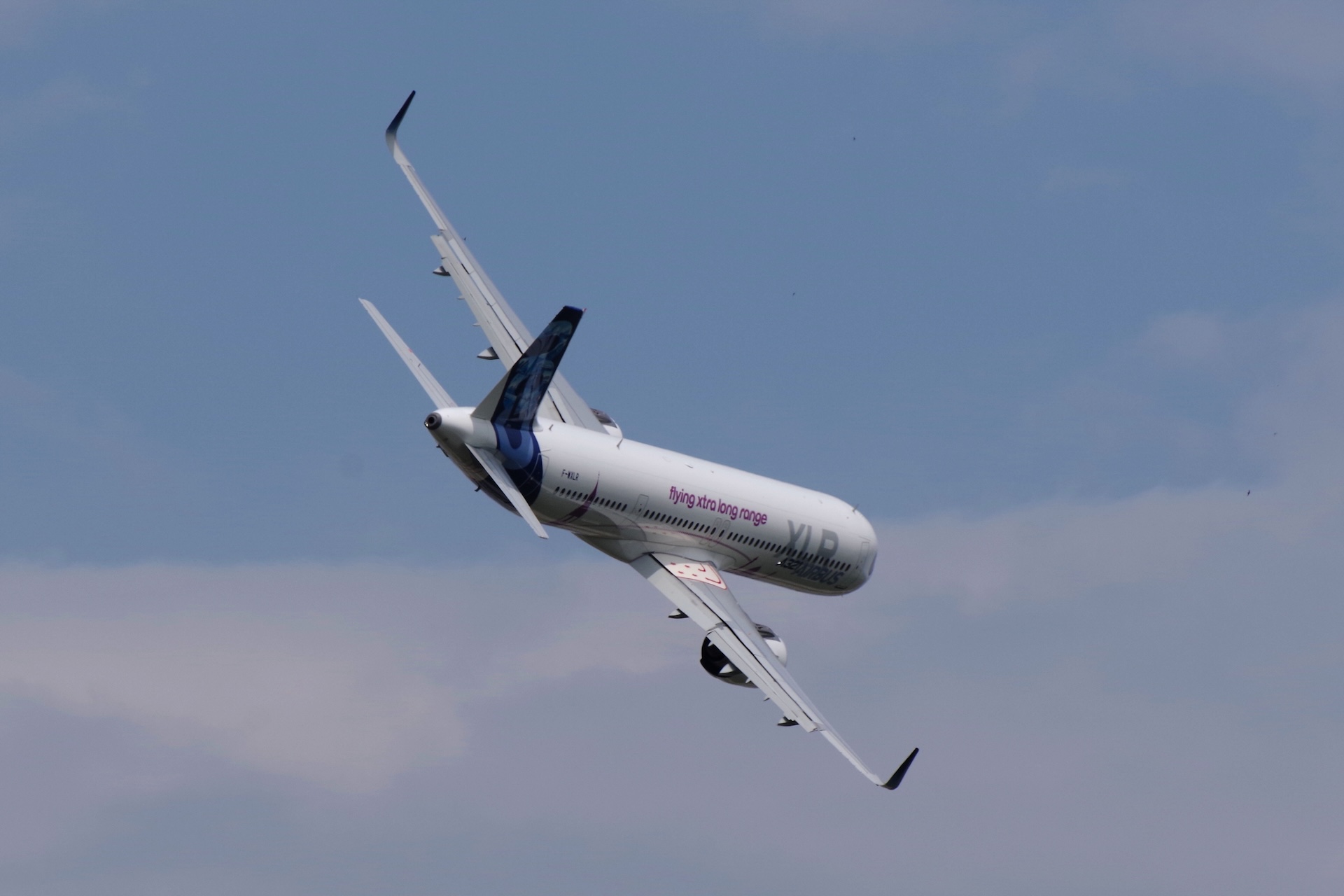
Delta has just made the quietest big decision in US network aviation this month: it isn’t buying the aircraft everyone else is racing for.
United, American, and Air Canada have built their most aggressive 2027 route expansions around the Airbus A321XLR, a narrowbody with the range to reach secondary European cities (Ljubljana, Valencia, Nice, Basel, and Shannon among them) that a widebody could never justify economically. Delta, alone among the major US carriers, is sitting this one out.
As Skift reports, the reasoning is specific rather than defensive. Delta doesn’t believe the A321XLR can deliver the premium cabin experience it wants to sell on long sectors. The aircraft has no dedicated crew rest compartment for flights up to eleven hours, which raises real questions about crew staffing and cost. Add slot and labour constraints, plus doubts about the aircraft’s actual profitability on thin routes, and Delta’s position reads less like caution and more like a deliberate bet: product consistency matters more than network reach.
It’s not a new instinct, either. Delta President Glen Hauenstein put the same logic on record a year ago, more bluntly: “We’ve chosen not to fly narrow-bodies in the transatlantic because of product and brand issues.” The A321XLR isn’t a one-off decision but the latest test of a standing philosophy.
That’s why this is worth flagging. United has been explicit about the opposite bet. SVP Patrick Quayle said outright in August that United now sees itself as “more of a lifestyle brand than an airline,” using the A321XLR to create demand for destinations rather than simply respond to it. Two carriers with genuinely premium positioning, the same aircraft on the table, and two opposite theories of what “premium” is actually for: United is betting that discovery builds loyalty. Delta is betting that consistency does.
I don’t think this stays a quiet aircraft-procurement story for long. United’s route map is expanding into cities Delta doesn’t serve, and Delta’s own declared ambition, voiced just last week at oneworld’s first Global Loyalty Summit, is to become “the premier global airline based in the US.” At some point, someone at Delta will have to explain that gap out loud, rather than let trade press infer it from a fleet decision.
Forecast
By 31 March 2027, Delta will still have no Airbus A321XLR on order and no transatlantic route flown with a narrowbody aircraft. In the same period, the gap with United’s secondary-city network will become a question Delta must answer publicly: at least one senior Delta executive will address it directly on an earnings call, at an investor event, or in a major interview.
Confidence
Medium. The fleet decision rests on a standing philosophy Delta’s leadership has put on record more than once, making a reversal within six months unlikely. The second half is less certain: Delta can choose to let the question go unasked, and trade press may keep inferring the strategy from fleet decisions rather than forcing a statement.
- Delta Rejects Narrow-Body Aircraft for Transatlantic Routes: https://finance.yahoo.com/news/delta-rejects-narrow-body-aircraft-123016205.html
- Everyone Is All In on the Airbus A321XLR — Except for Delta: https://skift.com/2026/09/08/everyone-is-all-in-on-the-airbus-a321xlr-except-for-delta/