
TNMT review finds airline loyalty still built on tiers and credit cards as AI, partnerships and Starlink start to change the model
A TNMT review of 18 airline loyalty programmes finds tiers and cards still dominate, while AI, hotel tie-ups and free Starlink Wi-Fi hint at a new model.
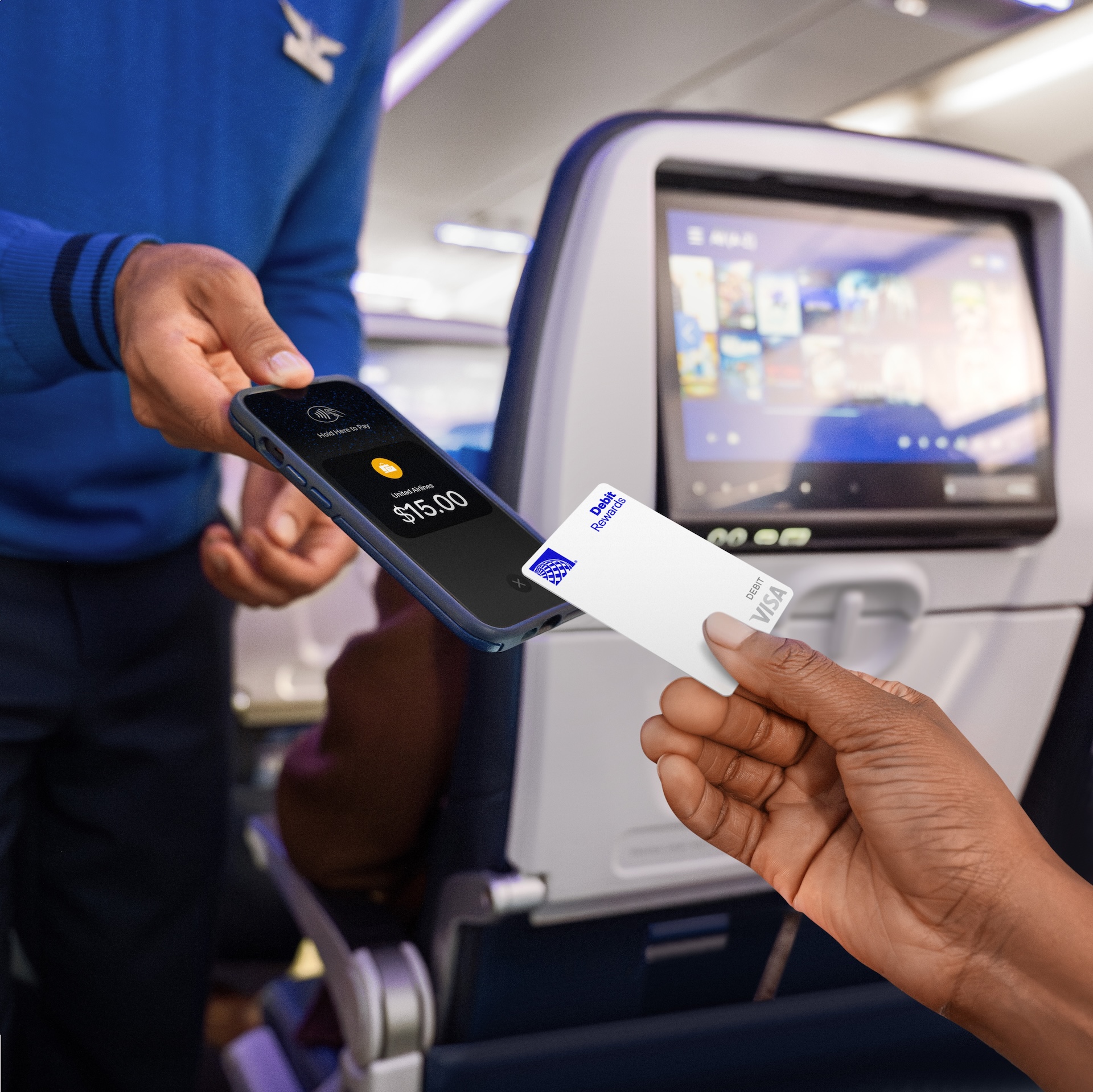
Airline loyalty programmes still mostly talk about the same three things. That is the headline finding of a review published on 15 October by TNMT, the research platform of Lufthansa Innovation Hub. Author Anna Schneider and the team analysed more than 500 news articles from 2026 covering 18 of the largest airline programmes, from full-service and low-cost carriers across the US, Europe and Asia. More than half the coverage focused on status tiers, rewards, and new co-branded credit cards. Look closer, though, and something more interesting is happening at the edges.
Signal
The loyalty playbook’s core is becoming more transactional, as more programmes now reward money spent rather than miles flown. For schemes that still carry the “frequent flyer” label, that says a great deal: the most valuable member is increasingly the one who spends most on a co-branded card, regardless of how often they actually fly. TNMT’s own reading is that programmes are becoming more financially sophisticated while feeling less rewarding to members, as award prices rise and point values blur under dynamic pricing. Alongside that, the review isolates three movements worth tracking.
- AI is putting loyalty data to work. Alaska Airlines‘ AI trip-inspiration tool, launched in 2024, draws on a member’s Atmos Rewards balance, status, travel goals and past preferences. According to figures published in a Microsoft customer story, it delivers a 7% conversion rate against 5% for Alaska’s standard booking widget, with 90% user satisfaction and a 75% reduction in trip-planning time. Delta extended its AI concierge to all SkyMiles members in August: inside the app, members can ask about trips, baggage, disruptions, eCredits, mileage balances and Medallion status, and rebook or cancel eligible flights within the conversation.
- Loyalty is moving beyond the flight. In July, Japan Airlines and Marriott Bonvoy expanded their partnership with reciprocal status recognition. Delta and Hyatt announced a similar tie-up in September, under which eligible elite members will earn World of Hyatt points on Delta flights, and SkyMiles on Hyatt stays. In India, IndiGo BluChip and ALL Accor introduced reciprocal point conversion. And since January, Air France-KLM‘s Flying Blue Experiences has let members spend miles on premium access to concerts and major sporting events at venues such as the Accor Arena and the Stade de France. Points feel abstract; a sold-out concert does not.
- Loyalty is becoming a service. Broad “pay a fee, fly cheaper” subscriptions have struggled: TNMT reports that Ryanair‘s Prime trial closed after eight months, having collected €4.4 million from 55,000 members while handing back more than €6 million in fare discounts. Narrower loyalty-tied models look more promising. JetBlue‘s Points On Repeat, launched in March, sells recurring TrueBlue points, earning bonuses and redemption rebates across three tiers; Emirates Skywards+ bundles bonus miles with reward discounts, upgrade offers and lounge access. And then there is Starlink: United gives MileagePlus members free Starlink Wi-Fi, and Alaska is rolling it out free for Atmos Rewards members.
Historical pattern
Airline loyalty began as recognition for repeat flying. Over four decades, it became a financial product: miles sold to banks, co-branded cards as profit engines, and, during the pandemic, programmes valued highly enough for United and Delta to raise billions of dollars using them as collateral. The shift to spend-based status is the logical end point of that journey.
The problem is engagement. A traveller who flies three or four times a year rarely builds a relationship with a programme whose rewards sit years away. Hotel partnerships, experiences, and subscriptions all try to give members reasons to interact between flights and to bring in younger, less frequent travellers who will never reach top-tier status.
TNMT rightly warns that new sign-ups alone do not create loyalty. If airlines use these members only to push generic offers while devaluing their points, they will build bigger databases rather than more loyal customers.
What it means for airline marketers
The value proposition is moving from “later” to “now”. For decades, loyalty marketing sold a promise: fly enough and one day you will be recognised. Free Starlink Wi-Fi flips that logic. The benefit is immediate, tangible, and delivered in the seat, making it a far stronger acquisition hook than any tier chart. In-flight Wi-Fi used to be a paid ancillary, now it’s a lead-generation mechanism.
The sign-up happens at the moment of closest attention. A passenger who joins to get online is identified, consents, and stays logged in for hours with a screen open. That is an onboarding window most brands can only dream of. The airlines that treat the flight as the first chapter of a welcome journey, rather than a login form, will turn anonymous travellers into members who actually engage. It also feeds the first-party data that airline media networks, such as Delta’s, are built on.
Experiences are easier to market than points. A 5,000-mile balance is hard to fit into a campaign. A concert at the Accor Arena or a match at the Stade de France is a story, an image and a reason to share. Flying Blue Experiences gives Air France-KLM creative material that speaks to younger and occasional travellers, the audiences a tier-based programme struggles to reach.
Spend-based status is a brand risk. When “loyalty” increasingly means “card spending”, the gap between the programme’s promise and members’ experience widens. Every devaluation is also a communications problem. Marketing teams sit between the bank partner, who rewards spend, and the member, who expects recognition for choosing the airline. How they explain changes, and what they offer in return, decides whether trust survives.
The next audience may not be human. The same logic that pushes airlines to optimise content for AI search applies to loyalty. If benefits, status rules, and partner offers aren’t structured and readable by machines, they will not shape what an AI assistant recommends.
Forecast
The AI examples in the review, from Alaska to Delta, live inside airline-owned apps and websites. The bigger question, and one the review does not address, is what happens when travellers stop going there.
TNMT itself explored this in September, in its four scenarios for agentic AI in flight booking. In one of them, third-party AI agents own the entire pre-flight relationship, from search to rebooking, and the airline is reduced to a capacity provider. In that world, a loyalty programme the agent cannot read is invisible at the exact moment the choice is made. Status, balance, and preferences matter only if they are part of the data an agent sees when it compares options. Seen this way, the Starlink login becomes an irresistible hook for identity capture, more than a Wi-Fi perk. The precondition for any loyalty profile that might one day travel with the customer into an AI booking flow.
Within the next 12 to 18 months, at least one major airline group will announce a structured way for third-party AI agents to recognise loyalty members during booking, covering identity, status and points, most likely through NDC-style APIs or a partnership with an AI platform. Loyalty programmes will then start competing not only on perks and partners, but on how readable they are to agents.
Confidence
Medium. The direction is clear: airlines are already moving loyalty data into conversational interfaces and are actively converting anonymous passengers into members. Timing is the uncertainty. It depends on emerging standards for AI-readable airline data, carriers’ reluctance to share member data outside their own channels, and, in Europe, how privacy rules shape what an agent may know about a traveller.
- Can airline loyalty become loyal again?: https://tnmt.com/newsletter-snippets/airline-loyalty-review/
- How Agentic AI could reshape flight booking in the 2030s: https://tnmt.com/agentic-ai-for-flight-booking