
United’s A321XLR map is a statement about who it wants to fly
United’s largest-ever international expansion sends the A321XLR to Europe’s second-choice cities. It reads less like a routing decision than a choice about which traveller United wants to keep.
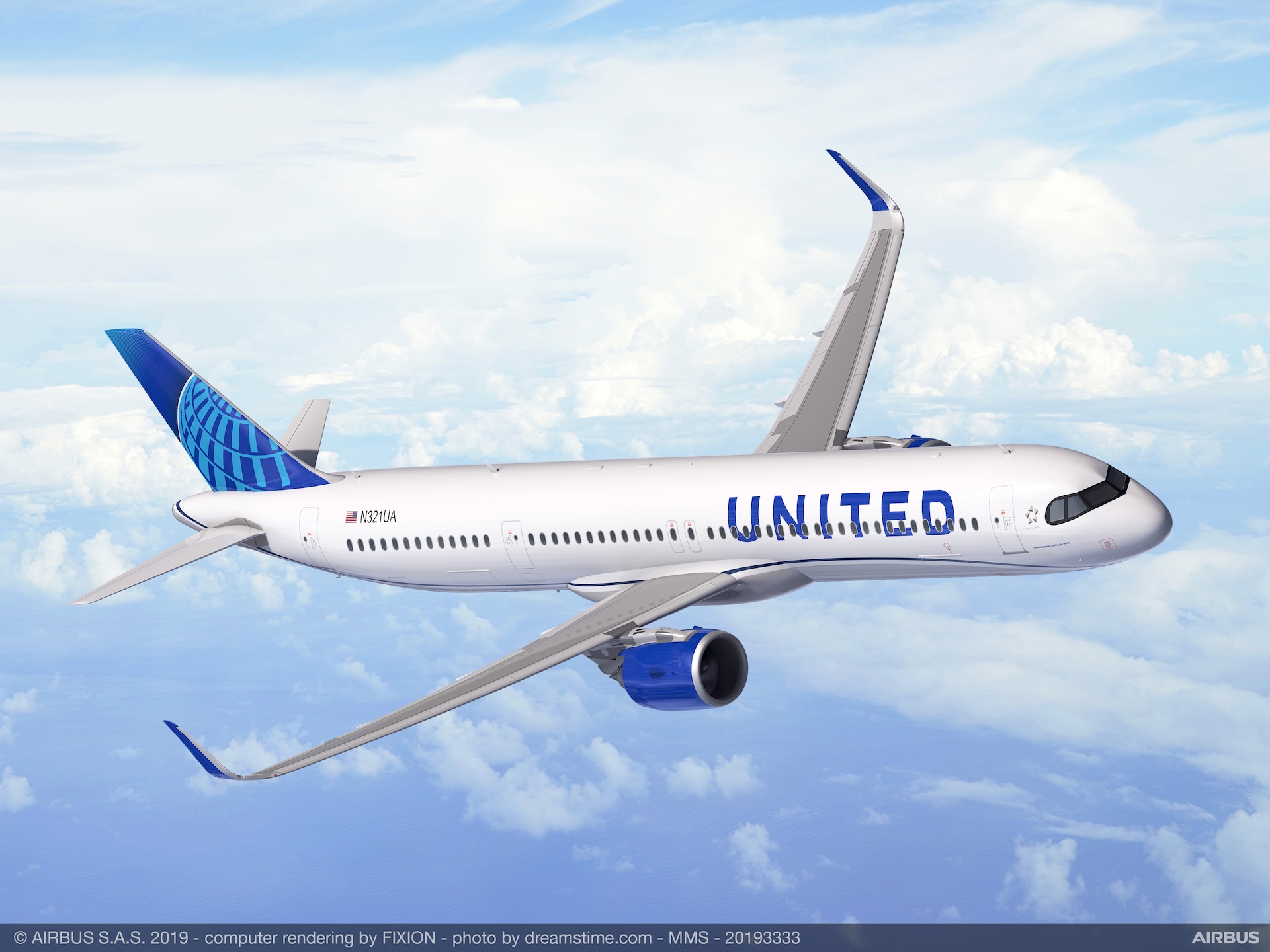
United Airlines has just confirmed the largest international expansion in its history: 10 new destinations for 2027, several of which are enabled by the Airbus A321XLR: Ljubljana, Terceira in the Azores, Olbia, Catania, Valencia, Ibiza, Marseille, Toulouse, Luxembourg, Okinawa. United’s own framing is explicit: beat the crowds. It’s a distribution story, and it deserves more attention than it’s getting.
For decades, network carriers expanded their long-haul networks around hubs and let travellers make their own way from there. The A321XLR breaks that constraint. It has the range for thin transatlantic demand but the economics of a narrowbody, so United can go straight to the “second choice” city instead of routing everyone through the usual gateway.
We have seen this pattern before. The 787 played a similar role for secondary long-haul markets between 2011 and 2015. More recently, the A321LR/XLR has already enabled JetBlue and Aer Lingus to launch thin transatlantic routes, starting in 2021. What is new is the scale and an explicit anti-overtourism narrative from a legacy network carrier rather than a challenger brand.
This move is a stronger signal than it looks, first of all because Americans have no transatlantic Ryanair. The handful of low-cost operators that do cross the Atlantic serve primary gateways rather than secondary cities. Casually hopping to a second-tier European destination still means booking with a network carrier, inside a loyalty ecosystem. So when United, the airline with the deepest MileagePlus base, allocates its expansion capacity to discovery destinations, it tells us where it believes its most valuable customers want to go, without asking them to step outside the loyalty relationship to get there.
That reading aligns with United’s own numbers. Last quarter, premium cabin revenue was up 6% YoY and loyalty programme revenue up 9%, with Scott Kirby crediting international demand and high-spending flyers, even as broader US holiday travel intent softens, particularly among younger and more price-sensitive travellers. The K-shaped economy is showing up on a route map: capacity is increasingly built for the third of travellers whose spending keeps growing, not for the market as a whole.
Skift‘s own 2026 research points to the same consumer trend: 42% of travellers say they will actively avoid overcrowded or environmentally stressed destinations this year, with demand visibly shifting toward quieter, secondary cities.
Put the two trends together, and route expansion stops being a scheduling decision and becomes a positioning decision: which segment of traveller a carrier chooses to speak to, and which it quietly chooses not to chase.
I think the question for anyone pursuing growth in this industry is: “Which traveller am I choosing to go quiet on, to speak clearly to the one I actually want?”
- Affluent consumers will drive United’s record holiday season: https://www.emarketer.com/content/united-airlines-q4-profit-boom-high-end-travelers-fuel-growth
- America’s wealthiest shoppers are boosting spending — and the US economy — while lower earners pull back: https://finance.yahoo.com/news/americas-wealthiest-shoppers-are-boosting-spending–and-the-us-economy–while-lower-earners-pull-back-090035895.html
- Skift State of Travel 2026 (report)
- United Adds 10 International Cities for 2027, Largest Expansion in Airline’s History: https://united.mediaroom.com/2026-08-25-United-Adds-10-International-Cities-for-2027-Largest-Expansion-in-Airlines-History
- United Airlines’ major global expansion for 2027: https://thepointsguy.com/news/united-airlines-major-global-expansion-2027/
- United just announced its biggest international expansion: https://travel.yahoo.com/flights/articles/united-just-announced-biggest-international-164317593.html