
ITA Airways signs with Archer to bring electric air taxis to Italy
ITA Airways becomes the first European airline to partner with Archer Aviation on an electric air taxi network. The carrier wants to own the customer journey, not fly the aircraft, but the agreement is still conditional and Rome has missed this milestone before.
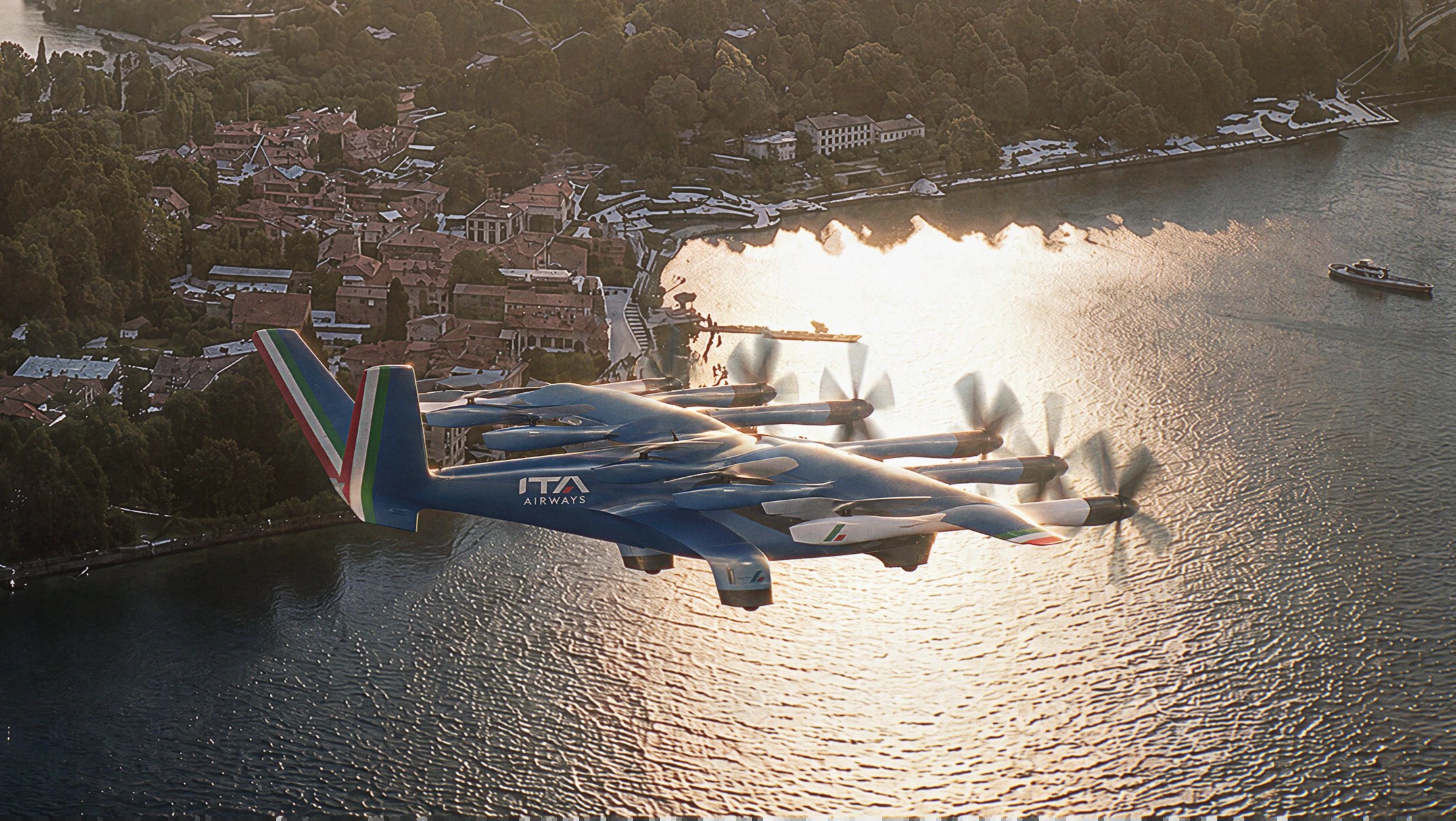
ITA Airways has signed an agreement with Archer Aviation to develop an all-electric air taxi network in Italy using Archer’s Midnight aircraft. Archer announced the deal on 29 October 2026, making ITA the first European carrier among Archer’s airline partners and extending a commercial strategy already underway in the US and the UAE.
The partners intend to deploy services in major Italian cities. The only example given is Rome: according to Archer, the road journey of around an hour between Fiumicino and the city centre could take less than ten minutes by air.
What ITA is actually signing up for
The most useful detail is the division of roles. ITA says its contribution will focus on an integrated customer journey and connecting the new service to its network, while specialised partners will handle operations. The airline is not positioning itself as an air taxi operator, but as the brand that sells the trip and joins its pieces together.
Joerg Eberhart, CEO and General Manager, presented the agreement as a way to assess how air taxis could complement ITA’s network between airports, city centres and other destinations. He also said the airline is “exploring different solutions” to identify the best product for customers. That wording leaves the door open to other partners.
The marketing angle
For a network carrier, an air taxi is less a transport product than a customer-journey product. Fiumicino is ITA’s hub, and its premium long-haul passengers are the most plausible early customers for a service that removes the airport transfer.
Rome Fiumicino passed 50 million passengers for the first time in 2025, with North America the leading market at 4.7 million passengers, according to Aeroporti di Roma figures reported by AGI. Il Sole 24 Ore, citing ENAC data, puts the final 2025 figure at 50.9 million.
A door-to-door offer sold under the ITA brand would extend the airline’s relationship with the customer beyond the terminal, which is the logic behind Eberhart’s door-to-door framing. Archer’s CEO Adam Goldstein made the same pitch from the other side, citing the Fiumicino record as the market he wants to address.
There is also a loyalty question. ITA became a fully integrated Miles & More partner in April 2026, according to an ITA Airways press release. If a service does launch, whether it can be booked on ita-airways.com and earn miles within the Lufthansa Group ecosystem will say a lot about how seriously the airline treats it as part of its product.
The caveats
Rome has been here before. Aeroporti di Roma opened Italy’s first vertiport at Fiumicino in October 2022 and ran the country’s first crewed eVTOL test flight with Volocopter, as 50 Sky Shades reported at the time, with commercial services targeted for 2024. That service never started: it stalled with Volocopter’s insolvency, and by mid-2026, Rome still had no air taxis, according to Quotidiano Motori.
The regulatory side is in better shape. In 2024, ENAC published its national regulation for vertical take-off aircraft and vertiports, describing it as the first of its kind at the national level in Europe.
The release itself is cautious. Archer’s forward-looking statements note that the agreements remain conditional on definitive contracts, and list the timing of Midnight’s certification among the risks. No launch date, cities beyond Rome, fleet size or financial terms were disclosed.
What to watch
The next step is a definitive agreement, and whether it gives Archer exclusivity or leaves ITA free to work with other manufacturers, as Eberhart’s wording suggests. After that, the first named route will show where the two companies see demand: a link between Fiumicino and central Rome is the obvious candidate, given that both chose to promote it as an example. Just as important is who builds and runs the vertiports and who operates the flights, since the previous Rome project stalled when its operator failed.
Finally, the commercial test for ITA will be whether customers can book the service through its own channels and earn miles within Miles & More. That would show whether the airline treats air taxis as part of its product or as a partner’s service it simply promotes.
50 Sky Shades: https://50skyshades.com/news/airports-routes/first-italian-vertiport-deployed-at-fiumicino-airport
AGI: https://www.agi.it/economia/news/2025-12-22/aeroporto-fiumicino-record-passeggeri-34749855/
Archer Aviation: https://archer.com/news/archer-aviation-and-ita-airways-partner-on-the-development-of-air-taxi-services
ENAC: https://www.enac.gov.it/news/enac-pubblica-il-primo-regolamento-nazionale-per-la-mobilita-aerea-innovativa/
Il Sole 24 Ore: https://en.ilsole24ore.com/art/airports-2025-over-229-million-passengers-5-per-cent-AIba2mw
ITA Airways (via Dreamnews): https://www.dreamnews.jp/press/0000344777/items/eyht3hzNkGikGCBN
Quotidiano Motori: https://www.quotidianomotori.com/volo/ertiporto-dubai-vdx-taxi-volanti-evtol/